Audiometric Testing NSW and Vibration Testing:A New Era of Workforce Wellbeing
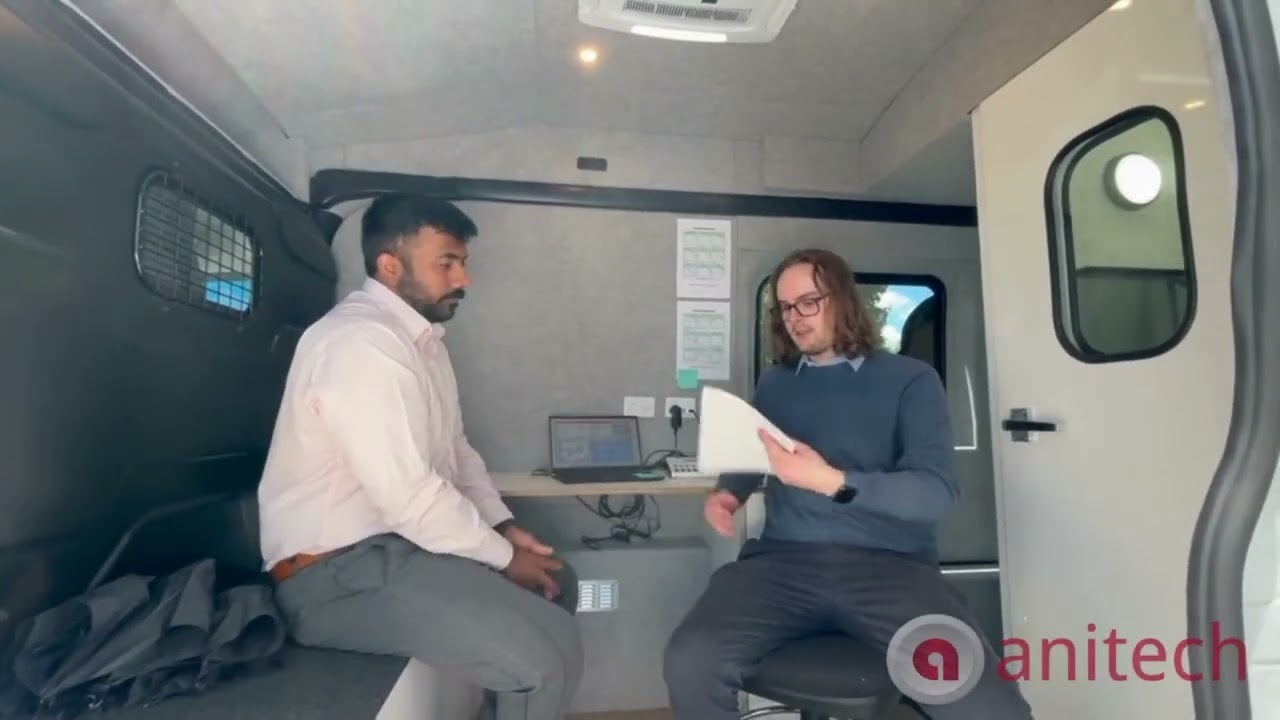
New South Wales is home to a variety of industries like mining, manufacturing, logistics, and infrastructure. It’s becoming evident to all of them that meeting basic safety compliance isn’t all there is to workplace health. Compliance requires employees to wear protective equipment, complete the required training, and pass annual health evaluations. But, all of these checkboxes miss the point of underlying health risks. This is exactly where anitech audiometric testing in NSW and vibration testing take a proactive role—focusing on the actual health of the employees and the workplace and not just the compliance.
The shifting health narrative in NSW
The focus on Noise and Vibration risks individually is shifting. NSW workplaces have higher and higher exposure to mechanical noise and vibration. The combination of construction machinery, transport vehicles, and heavy industrial tools have adopted a “set it and forget it” mentality. They don’t just make noise at harmful levels. They create other hidden tissue traumas. As mechanisation within workplaces increases there is a greater risk of harm to employees.
What is also changing is the understanding of risk: Noise and Vibration hazards are coupled. Workers using vibrating tools like jackhammers have exposure to significantly elevated noise levels as well. The risks are compounding. That’s where combining audiometric testing with vibration testing forms a complete health profile to enable NSW employers to forecast and mitigate issues before they escalate into chronic injuries or compensation claims. Provides complete predictive and preventive profile analysis.
From Static to Dynamic Monitoring
For a long time, audiometric testing in NSW was conducted on a schedule where it was a baseline test for new employees and then a test every two years. This type of testing was compliant with the NSW Work Health and Safety Regulation, but more often than not it was missing the early warning signals.
The ability to detect early trends and enable damage control before hearing loss occurs saves the system from preventing damage control. Modern digital audiometric technology makes this possible. Portable testing systems coupled with cloud technology enable real time analysis relative to previously mentioned data, and the secure sharing of data across multiple worksites. Subtle shifts, imperceptible in one test but clear across a series, are then able to be detected early.
The same transformation is being seen with vibration testing. Companies are beginning to use wearable sensors and machine-mounted monitors to track data on exposure. These uploaded systems report the time, task, and operator to inform health maintenance and system controls.
When organisations combine data sets for noise and vibrations, they get a comprehensive picture of worker exposure. This builds not just a safer operational environment, but a preventive approach to occupational health.
Regulations and Innovation in NSW
WorkSafe NSW clearly outlines employer obligations. Under the Work Health and Safety Regulations of 2017, PCBUs must ensure noise exposure doesn’t surpass predetermined national thresholds, and workers who come in contact with hazardous noise perform audiometric testing. Audiometric testing is a requirement for hazardous noise environments and falls under the management of physical hazards that can cause vibrations and control musculoskeletal or circulatory disorders.
Regulations have begun endorsing the use of innovative technology for the capture, real-time data, traceability and embedding of worker health into ESG reporting.
Employers bordering on the innovative side in NSW are adopting systems that integrate audiometric testing, vibration assessment and incident reporting. This streamlines the multiple layers of reporting required for regulators and provides assurance to insurers, customers, and auditors, especially in sectors that face elevated risks such as civil construction, transportation, and energy.
Prevention and design
Hearing and vibration assessment data can guide more efficient design in the spatial organisation of work, equipment selection, and shift scheduling.
For example, vibration testing results indicate which pieces of equipment cause excessive movement and noise. When combined with results from audiometric testing, engineers can determine if investments in noise reduction or workflow redesigns, to reduce exposure time, are warranted.
That is avoiding inefficiencies in risk mi. Evidence informed improvement activities signal a focus on compliance and performance.
The wellbeing dimension
Noise and vibration exposure, in addition to impacting physical health, take a toll on a person’s mental health. Chronic exposure contributes to fatigue, irritability, and cognitive decline. In NSW, where WHS law incorporates management of psychosocial hazards, these issues are beginning to receive the attention they deserve.
Incorporating audiometric testing and vibration testing as part a wellbeing strategy on a broader scale closes the gap between compliance and sustaining the organisation. It conveys to the employees that health monitoring is not about compliance, it is about trust and care. Employees whose employer demonstrates long term health and wellbeing is valued, are more likely to take part in safe work and remain with that employer.
The Future: Predictive Health Management
In the next ten years, workplaces in New South Wales (NSW) will begin to use exposure health records to predictive health exposure models. Using artificial intelligence, systems will analyze real-time noise and vibration data to predict which workers are most at risk and will determine when maintenance is due and which environments should be redesigned.
In this future, audiometric testing won’t be an event—it will be part of a live feedback loop. Every test, each shift, and machine reading will refine the continuous worker health predictive model.
Bottom line: The integration of audiometric testing in NSW and vibration testing should be more than a compliance strategy. It should redefine what “safe work” looks like. By combining the auditory, mechanical, and health data, Australian organizations can design workplaces that don’t simply avoid injury but improve health. For an Australian state that is an economic leader, this is not just a legal requirement; it’s a responsibility.