
Electrical Testing: Why Electrical Safety Should Never Be Overlooked
Introduction
Electricity powers nearly every aspect of our lives — from lighting and heating to production equipment and computers. Yet, it can also be one of the greatest risks if not properly managed. In Telford, regular electrical testing and inspection is not just a recommendation; it’s a crucial part of ensuring safety, energy efficiency, and compliance with UK regulations. Whether you’re a homeowner or a business owner, keeping your electrical systems in check protects lives, property, and your legal standing.
What Is Electrical Testing and Why It Matters
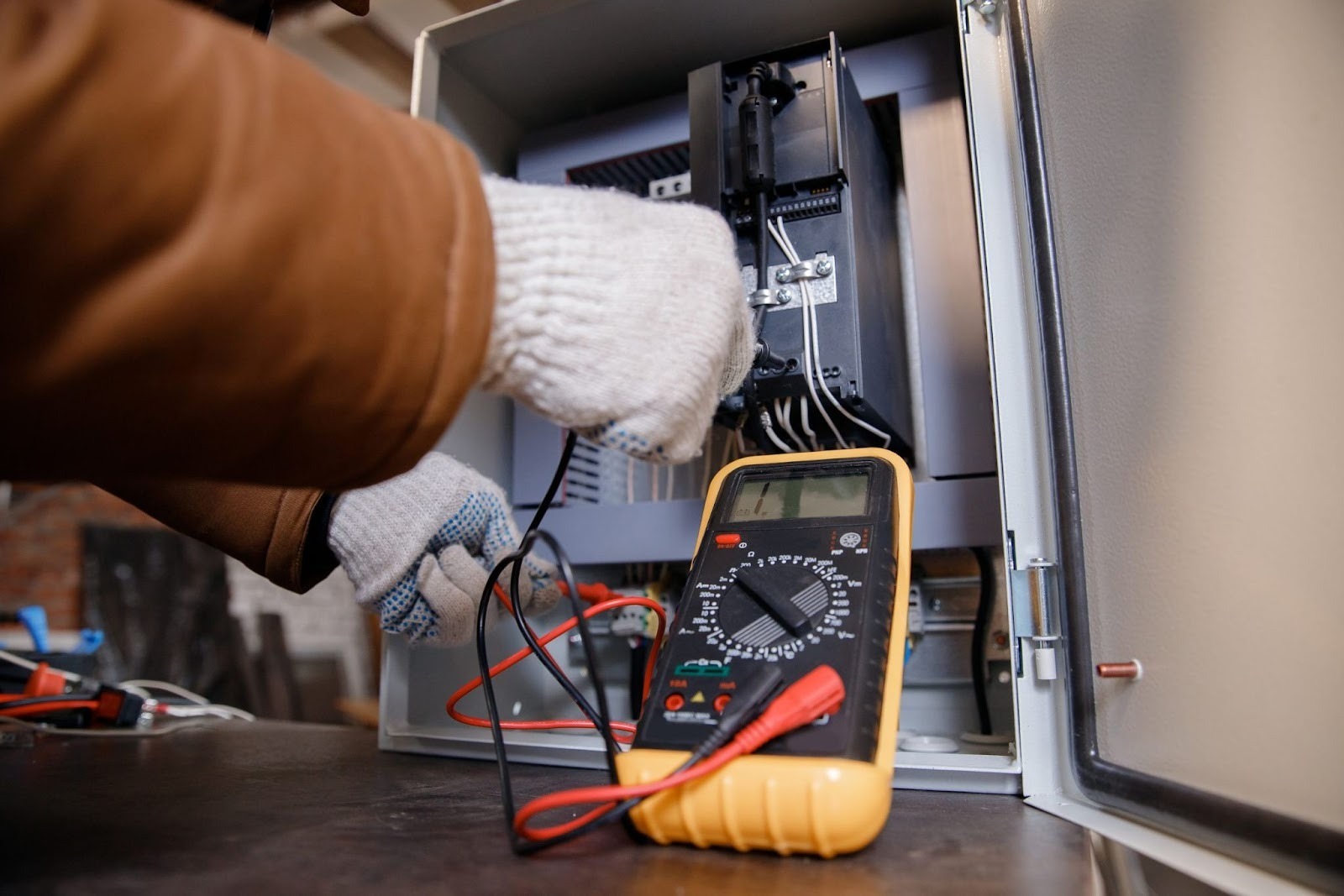
Electrical testing Telford involves a series of checks to confirm that all wiring, circuits, outlets, and installations meet safety standards. A qualified electrician uses specialized tools to measure resistance, current flow, and insulation integrity to detect any hidden faults before they cause danger.
Testing matters because:
- It prevents electrical fires caused by faulty wiring or overloaded circuits.
- It ensures your system complies with BS 7671 wiring regulations.
- It helps reduce energy wastage and equipment damage.
- It offers peace of mind that your property is safe for everyone.
Common Types of Electrical Testing Services in Telford
Professional electricians in Telford offer a wide range of electrical testing solutions tailored for homes, offices, and industrial settings. Some of the most common include:
a) EICR (Electrical Installation Condition Report)
This is the most essential form of Electrical Testing Shropshire. It identifies wear, damage, or non-compliance in your electrical system. For landlords and business owners, having a valid EICR is a legal requirement to prove electrical safety.
b) PAT Testing (Portable Appliance Testing)
Ideal for workplaces, schools, and rental properties — PAT testing checks that all portable appliances such as kettles, monitors, and tools are safe to use.
c) Emergency Lighting Testing
Ensures that all emergency lights automatically activate in case of power failure. This is vital for compliance with safety laws and for guiding occupants to exits during emergencies.
d) Fire Alarm System Testing
Electrical contractors verify that fire alarm systems are correctly powered and functional, reducing the risk of system failure when most needed.
e) Thermal Imaging Inspections
Used mostly in industrial or commercial environments, this advanced test detects overheating connections before they cause system breakdown or fire hazards.
Legal Requirements for Electrical Testing
In the UK, electrical testing isn’t just best practice — it’s required by law in many cases.
Landlords must arrange EICR testing at least every five years, while workplaces are obliged under the Electricity at Work Regulations 1989 to maintain electrical systems in a safe condition. Non-compliance can lead to fines, invalidated insurance, or even prosecution if an accident occurs.
Regular inspections demonstrate due diligence and create documented proof that your systems are safe and compliant.
Benefits of Regular Electrical Testing
Regular electrical inspections are an investment that pays off in multiple ways:
- Safety First: Identifies faults before they cause harm.
- Energy Efficiency: Detects energy loss or faulty wiring that drives up electricity bills.
- Compliance Assurance: Helps meet insurance and legal obligations.
- Asset Protection: Prevents damage to valuable equipment and appliances.
- Reduced Downtime: Detects small issues early, avoiding costly breakdowns later.
Whether you run a small café, a large warehouse, or manage rental properties in Telford, these benefits contribute to long-term savings and reliability.
What Happens During an Electrical Inspection
A certified electrician will:
- Visually inspect the installation for signs of damage or aging.
- Test sockets, switches, and circuit breakers for proper operation.
- Measure earth continuity and insulation resistance.
- Identify any non-compliance with BS 7671 standards.
- Provide a full written report detailing observations and recommendations.
Any faults are graded (C1, C2, C3) to indicate severity — from “danger present” to “improvement recommended.”
Choosing the Right Electrical Testing Service in Telford
When hiring an electrician for testing services, make sure to:
- Choose an NICEIC-registered or NAPIT-approved contractor.
- Ask for transparent pricing and clear reports.
- Ensure they have insurance and certification for inspection work.
- Request an EICR certificate or testing report upon completion.
Reputable electricians in Telford offer flexible scheduling, minimal disruption, and full documentation for landlords, tenants, and business owners.
Electrical Testing for Businesses: A Critical Responsibility
Businesses have a higher obligation toward electrical safety, especially where public access or employee safety is involved. Regular testing ensures that:
- All systems comply with Health and Safety Executive (HSE) standards.
- Equipment runs efficiently and safely.
- Workplace accidents due to electrical faults are prevented.
From retail stores and restaurants to industrial units, maintaining an up-to-date EICR protects both reputation and operations.
For Homeowners: Peace of Mind Starts with Testing
Even in private homes, unseen electrical faults can pose serious risks. Periodic testing can detect issues such as:
- Outdated wiring in older houses.
- Overloaded circuits from modern appliances.
- Loose connections causing flickering lights or power surges.
A simple inspection by a certified Telford electrician can prevent potential fire hazards and ensure your family’s safety.
Conclusion: Stay Safe, Stay Compliant
Electrical testing in Telford is about more than ticking boxes — it’s about protecting people, property, and peace of mind. Regular inspections safeguard your investment, reduce risk, and ensure your systems operate efficiently.
Whether you’re a homeowner, landlord, or business operator, scheduling routine testing with a qualified professional is the smartest way to stay ahead of electrical risks.