
What to Consider Before Installing a Dog Door in Lightweight Doors
Do you feel like you have a part-time job just opening and closing the door for your dog? It is a common story for pet owners. You sit down to relax, and suddenly your dog is scratching at the door to go out. Five minutes later, they want back in. This cycle can happen dozens of times a day.
Installing a pet door is the perfect solution to give your furry friend freedom and give yourself a break. However, not all doors are the same. While cutting a hole in a solid wood door is straightforward, dealing with “lightweight doors” is a bit more tricky.
Lightweight doors usually refer to hollow core interior doors or exterior screen doors. These are not solid blocks of wood. They have unique structures that require special attention. Before you grab your tools, there are some very important things you need to know to make sure the installation is safe, secure, and lasts a long time.
Understanding Lightweight Doors
To install a pet door correctly, you first need to understand what your door is made of. Most modern homes use lightweight doors because they are cheaper and easier to hang than solid wood.
Hollow Core Doors
If you tap on your bedroom or laundry room door and it sounds like a drum, it is likely a hollow core door. These doors are not actually empty inside. They usually have a honeycomb structure made of cardboard sandwiched between two thin sheets of wood or fiberboard. This makes them light, but it also means they don’t have much strength in the middle.
Screen and Storm Doors
These are the doors you use in the summer to let air in while keeping bugs out. They are made of a frame (usually aluminum or vinyl) and a mesh screen. Because the material is just thin mesh, you cannot just install a heavy plastic flap like you would on a wooden door.
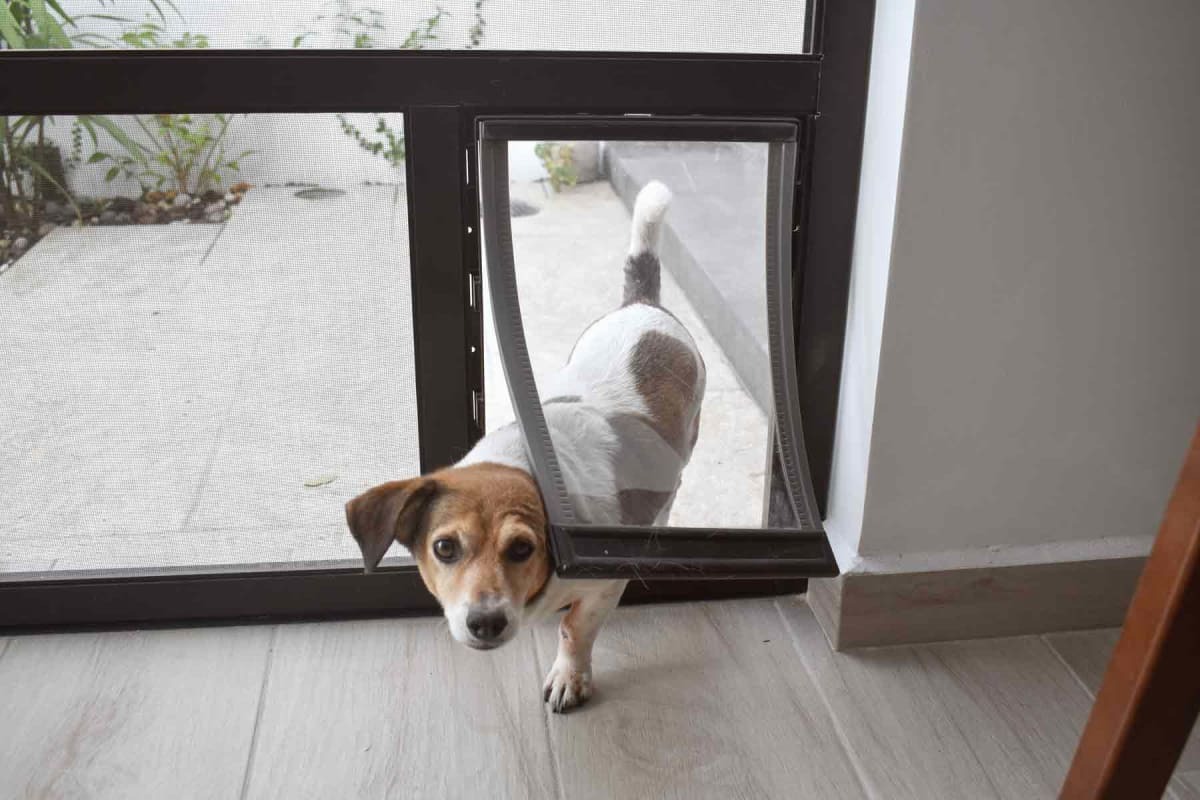
If you are looking to add access here, you need a specific screen door dog door designed to attach directly to the mesh or the frame without tearing it. These models are lightweight and clamp onto the screen, ensuring the mesh doesn’t rip under the weight of the swinging flap.
Will the Door Hold Up?
The biggest concern with lightweight doors is structural integrity. “Structural integrity” just means how strong the door stays after you cut a hole in it.
The Hollow Core Challenge
When you cut a hole in a solid door, you still have solid wood around the edges of the cut. But with a hollow core door, cutting a hole exposes the empty space inside. You will see the cardboard honeycomb and the two thin outer skins of the door.
If you try to screw a pet door into this, the screws won’t have anything to bite into. They will just punch through the thin wood, and the pet door will eventually fall out. Even worse, if you tighten the screws too much, you can crush the door, causing it to warp or crack. This is the main reason people hesitate to put dog doors in interior doors, but it can be fixed with the right preparation.
Screen Door Strength
For screen doors, the risk is sagging. If you have a large dog, they might run through the flap with some force. If the screen material is old or brittle, the weight of the pet door combined with the movement of the dog can cause the screen to tear away from the frame. Before installing one, check that your screen is tight and in good condition. If the mesh is loose or has holes, you should replace the screen mesh before adding the pet door.
Picking the Best Model for Your Door
Not every dog door works for every situation. You need to match the pet door to the type of door you have installed in your house.
Weight Matters
Avoid heavy-duty, metal-framed pet doors for lightweight applications. Those are fantastic for solid exterior doors or walls, but they are too heavy for a hollow core door or a screen door. The weight can cause a hollow door to pull at the hinges, making it hard to close.
Specialized Options
Look for “self-framing” pet doors for hollow core doors. These usually have a plastic tunnel that connects the inside frame to the outside frame. This tunnel covers the ugly gap inside the hollow door so you don’t see the cardboard honeycomb.
For screen doors, look for “corner mount” options or models that snap together through the mesh. These distribute the weight evenly so the screen doesn’t rip.
Security and Weatherproofing
When you cut a hole in a door, you are changing how that door protects your home. You need to think about security and the weather.
Keeping Your Home Secure
Lightweight doors are generally less secure than solid doors to begin with. Adding a pet door can make them even more vulnerable. If you are installing a dog door in a screen door, remember that a potential intruder could reach through the flap to unlock the main door.
Always ensure your main solid door is locked when you are not home. If the pet door is in a laundry room door leading to the garage, make sure the garage is secure. Many pet doors come with a “locking cover” or a slide-in plate. Use this whenever you go away on vacation or at night to prevent unwanted guests—like raccoons or stray cats—from entering your home.
Dealing with Drafts
Hollow core doors offer very little insulation. If you install a pet door in a door that leads to a cold garage or basement, you might feel a draft. Look for pet doors that have dual flaps or magnetic closures. These magnets help the flap seal shut after your dog passes through, keeping the cold air out and the warm air in.
For screen doors, airflow is the goal! However, ensure the flap closes all the way so that mosquitoes and flies don’t follow your dog inside.
Installation Tips for Success
If you have decided to go ahead, here are some practical tips to make the installation successful.
DIY vs. Professional Help
Installing a pet door in a screen is usually a simple DIY project. It often involves snapping two plastic frames together and trimming the excess mesh. It requires very few tools and takes about 30 minutes.
However, cutting into a hollow core door is harder. You need a jigsaw and a steady hand. If you are not comfortable using power tools, or if you are worried about ruining the door, it might be worth hiring a handyman. A mistake here means buying a whole new door.
Reinforcing the Cutout
This is the most important tip for hollow core doors. After you cut the square hole for the pet door, do not just install the frame.
You should buy some thin strips of wood (timber) that fit inside the thickness of the door. Glue these wood strips inside the hole between the two skins of the door. This creates a solid “frame” inside the hollow space.
Why do this?
- It keeps dirt and bugs from getting inside the hollow part of the door.
- It gives the screws something solid to grip into.
- It prevents the door from crushing when you tighten the bolts.
It takes a little extra time, but this step ensures your pet door stays tight and secure for years.
Conclusion
Installing a dog door in a lightweight door is a great way to give your pet freedom without having to drill through brick walls or expensive solid timber doors. Whether you are dealing with an interior hollow core door or an exterior screen door, the secret to success is preparation.
Make sure you choose a lightweight model, reinforce the opening if the door is hollow, and check that your screen mesh is strong enough to handle the traffic. With a little bit of planning, you can put away your “doorman” hat and let your dog come and go as they please.