What Home Inspectors Don’t Tell You About Radon Mitigation in Ottawa
Radon is a colorless, odorless, and tasteless radioactive gas that emanates from the natural decay of uranium in soil, rock, and water. Despite being invisible and difficult to detect, radon is a significant health threat, contributing to nearly 3,000 lung cancer deaths in Canada each year. The Canadian Lung Association and Health Canada recommend that homeowners in areas with elevated radon levels test their homes for radon and take steps to mitigate any dangerous concentrations.
In Ottawa, a city that lies within a region known to have elevated radon levels, many homeowners and potential homebuyers rely on home inspectors to assess the quality and safety of a property. Home inspectors play an important role in identifying a range of issues, from structural problems to electrical and plumbing concerns. However, when it comes to radon, there are certain things that home inspectors may not tell you—either because they aren’t trained or equipped to handle radon-related issues or because the focus of a typical home inspection doesn’t prioritize radon testing and mitigation.
This article explores what home inspectors may not tell you about radon mitigation in Ottawa, covering common misconceptions, gaps in knowledge, and the limitations of home inspections when it comes to dealing with radon. Understanding these issues can help Ottawa homeowners make better-informed decisions regarding radon testing and mitigation.
The Role of Home Inspectors and Radon
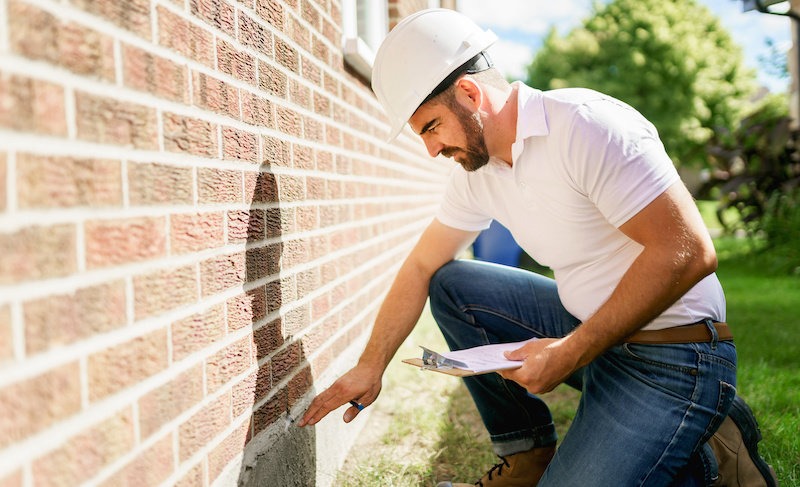
Home inspections are a standard part of the home buying process in Ottawa, especially for those purchasing older homes or homes with basements, as these homes are often more susceptible to radon infiltration. A typical home inspection involves a thorough evaluation of the house’s major systems, including plumbing, electrical, heating, cooling, roofing, and foundation. The goal is to identify any issues that might require repairs or could affect the property’s value.
However, radon is not always included as a part of standard home inspections. Some home inspectors offer radon testing as an additional service, but many do not test for radon unless explicitly requested by the homeowner or potential buyer. Even when radon testing is included in the home inspection process, there are a number of things that home inspectors may not fully disclose or may overlook. These gaps in knowledge and communication can leave homeowners unaware of the risks or options available for radon mitigation.
Home Inspectors May Not Test for Radon by Default
One of the most important things that home inspectors often don’t tell you is that radon testing is not a part of most standard home inspections. Home inspections typically focus on structural integrity, plumbing, electrical systems, and safety hazards like mold or asbestos. While radon is a health concern, it does not always make it onto the inspector’s list of things to evaluate unless requested explicitly.
If you are purchasing a home in Ottawa, it’s essential to understand that the home inspector is not automatically testing for radon. If you are concerned about radon exposure in your new home, you will need to specifically request that the inspector perform a radon test. Even when the inspector is aware of the potential risk in Ottawa (a region known to have high levels of radon in some areas), they may assume that you are already aware of this issue and take action accordingly.
This lack of automatic testing means that homeowners may not realize their home has high radon levels until after they move in or, worse, after they experience health issues related to radon exposure. Home inspectors may not necessarily be withholding information, but they may assume that radon testing is something that should be done separately.
Radon Testing Requires Special Equipment and Expertise
Another critical point that home inspectors may not emphasize is the need for specialized equipment and expertise to properly assess radon levels in a home. Radon testing is not as simple as looking for cracks in the foundation or checking for visible signs of water damage. Accurate radon testing requires the use of specific tools, such as radon detectors or continuous radon monitors, which are not typically part of a standard home inspector’s toolkit.
While some home inspectors may offer radon testing as an added service, they may not have the knowledge or experience required to interpret the results fully. Testing for radon is not a one-time process but may require monitoring over a period of time. Short-term radon tests, which can take from 2 to 90 days, give an estimate of the radon concentration, but they may not be as accurate as long-term testing (over 90 days). A home inspector may not be able to provide comprehensive advice about the level of risk based on short-term readings or recommend appropriate mitigation steps without further investigation.
Radon testing requires accurate placement of testing devices and a clear understanding of environmental factors that can influence radon levels. For instance, radon concentrations can vary depending on the time of year, with higher levels in winter when homes are sealed tightly. Additionally, radon levels can be influenced by the type of foundation, the structure of the home, and the characteristics of the surrounding soil. A home inspector may not have the training to perform the necessary analysis or communicate the nuances involved in interpreting radon test results.
Radon Mitigation Solutions May Not Be Addressed
Even if a home inspector detects elevated radon levels during a test, they may not provide thorough guidance on the available mitigation strategies or the urgency of mitigating high radon levels. Radon mitigation is a specialized field that goes beyond basic home inspection knowledge. While some inspectors may mention that mitigation is required or recommend contacting a radon mitigation professional, they may not provide detailed information about what the process entails or the various options available for reducing radon levels.
Radon mitigation systems, such as sub-slab depressurization, venting, or sealing cracks, are not always simple to install, and they often require professional expertise. However, a home inspector may not be able to recommend the most appropriate mitigation strategy for your specific home. They may also not provide insight into the costs of mitigation, the potential disruptions during installation, or the effectiveness of different systems based on your home’s unique characteristics.
In Ottawa, where homes may have different types of foundations, from basements to slab foundations, radon mitigation methods must be customized for each home. The complexity of the installation can vary, and there may be significant differences in cost depending on the size of the home, the radon levels, and the system required. Home inspectors generally do not have the ability to assess these factors in-depth and therefore may not be able to give you a complete understanding of the steps involved in mitigation.
Home Inspectors May Not Address Long-Term Monitoring
After a radon mitigation system is installed, it is crucial to monitor radon levels over time to ensure that the system is working effectively. Radon mitigation is not a one-time solution but requires ongoing monitoring to guarantee that radon levels remain below the recommended threshold of 200 Bq/m³. Home inspectors, however, generally do not provide long-term monitoring services or offer guidance on how to track radon levels in the future.
Once radon mitigation is in place, homeowners should continue testing their home periodically, especially if there are changes to the foundation or home structure, or if they notice symptoms of radon exposure. If a radon system is not functioning properly, the radon levels in the home could rise again. Home inspectors typically do not provide long-term testing services or explain how to maintain the system, so it is important for homeowners to be aware of the need for ongoing testing.
Radon Isn’t Always the Home Inspector’s Top Priority
A common issue is that radon mitigation may not be the top priority for many home inspectors, even in areas like Ottawa, where radon exposure is more common. While inspectors are highly focused on structural issues, electrical safety, plumbing, and other immediate concerns, radon may not receive the same level of attention unless explicitly requested by the homeowner. Many inspectors view radon as an issue that falls outside the scope of a general home inspection. This can leave homeowners unaware of the need to address radon risks in their homes.
This focus on more visible and immediate safety concerns may result in radon being overlooked or treated as an afterthought. It’s not that home inspectors don’t care about your safety, but rather that radon is a more complex issue that requires specific testing and mitigation expertise. Some inspectors may even assume that you will handle radon testing and mitigation specialist near me independently, without realizing the complexities involved in this process.
The Cost of Radon Mitigation May Be Underestimated
Finally, home inspectors may not adequately prepare homeowners for the cost of radon mitigation. When discussing radon mitigation, an inspector might briefly mention that the process can be expensive but may not provide detailed cost estimates. In Ottawa, where radon levels can be particularly high in certain neighborhoods, the cost of radon mitigation can vary significantly, ranging from $1,500 to $4,000 or more depending on the complexity of the system required.
This cost can be a shock to many homeowners, particularly first-time homebuyers who may not have anticipated the expense of mitigation. Home inspectors are often not equipped to provide comprehensive cost breakdowns or help homeowners budget for these expenses. If radon mitigation is necessary, it is important for homeowners to seek quotes from radon mitigation professionals to understand the full financial commitment involved.
Conclusion
Radon is a serious health risk, and mitigating elevated radon levels in your home is essential for protecting the long-term health of your family. While home inspectors play an important role in evaluating the overall safety and condition of a property, they may not provide the full picture when it comes to radon detection and mitigation. In Ottawa, where elevated radon levels are a known concern, homeowners must take extra precautions to ensure that their home is radon-free. This includes explicitly requesting radon testing from inspectors, seeking professional radon mitigation services if necessary, and ensuring ongoing monitoring to maintain safe radon levels.
By understanding the limitations of home inspections and taking proactive steps to address radon risks, homeowners in Ottawa can protect their families from the dangers of radon exposure and ensure that their home remains safe and healthy for years to come.
Disclaimer
The information provided in this article, “What Home Inspectors Don’t Tell You About Radon Mitigation in Ottawa,” is intended for general informational and educational purposes only. It should not be considered professional, medical, legal, or technical advice. While every effort has been made to ensure the accuracy and reliability of the information at the time of writing, radon levels, building conditions, regulations, and best practices may vary by location, property type, and over time.
Home inspection practices, radon testing methods, and mitigation requirements differ between inspectors, professionals, and jurisdictions. Readers should not rely solely on this article when making decisions related to radon testing, home inspections, or radon mitigation. Always consult certified radon measurement professionals, licensed radon mitigation contractors, qualified home inspectors, or local authorities for advice specific to your property and situation.