
Bridging the Gap: How Dental Bridges Restore Confidence and Function
Losing a tooth does more than create a gap in your smile—it can affect how you chew, speak, and even how your other teeth line up over time. That’s why many people explore dental bridges in Mclean as a reliable way to replace missing teeth without surgery. In this article, we’ll unpack what bridges are, who benefits most, the types available, how the process works, and how to choose a provider in McLean and across Northern Virginia—so you can feel informed, not sold to.
What a Dental Bridge Actually Is
A dental bridge is a custom restoration that fills the space where a tooth (or several teeth) is missing. It typically includes:
- Abutment teeth: The natural teeth on either side of the gap that support the bridge (or implants if you’re going the implant-supported route).
- Pontic: The replacement tooth that “bridges” the space.
- Materials: Modern bridges are often crafted from porcelain, zirconia, porcelain-fused-to-metal, or all-metal alloys. The goal is balancing strength, durability, and a natural look.
Because bridges are fixed (not removable), they feel stable and can quickly restore everyday function.
Who Is a Good Candidate?
You might be a strong candidate if you:
- Have one or more missing teeth with healthy neighboring teeth.
- Maintain good gum health (bridges rely on periodontal support).
- Want a solution that doesn’t involve surgery or a long healing period.
- Prefer something more stable than a removable partial denture.
When a neighboring tooth already needs a crown, a traditional bridge can be especially practical. On the other hand, if the adjacent teeth are pristine and you’re comfortable with surgery, a single dental implant may preserve those neighbors. A dentist in northern virginia can help you weigh the trade-offs—cosmetics, longevity, and total cost—based on your bite and oral health.
The Four Main Types of Bridges
1) Traditional Bridge
The most common option. The teeth next to the gap are shaped for crowns that anchor the pontic. It offers strength and natural appearance, especially for molars.
2) Cantilever Bridge
Anchored by a single adjacent tooth. Useful in limited situations (often near the front), but not ideal for heavy bite forces because it creates leverage on one side.
3) Maryland (Resin-Bonded) Bridge
Uses a metal or ceramic “wing” bonded to the back of adjacent teeth with minimal tooth reshaping. Great for a single missing front tooth and for younger patients, though bond integrity and aesthetics must be carefully planned.
4) Implant-Supported Bridge
Pontics attach to implants rather than natural teeth. This can avoid reshaping strong neighboring teeth and helps maintain bone in the area, though it involves surgery and a longer timeline.
What to Expect: Timeline and Appointments
While every case is unique, most bridges follow a predictable flow:
- Consultation & planning. Your dentist evaluates gum health, bite forces, and X-rays or 3D scans. You’ll discuss the pros and cons of each bridge type and alternatives.
- Tooth preparation (for traditional/cantilever). The supporting teeth are shaped, and precise impressions or digital scans are taken.
- Temporary bridge. You’ll typically wear a temporary to protect the area and keep your smile intact while the lab fabricates your final restoration.
- Fabrication. A dental lab crafts your bridge to match your gum line, bite, and tooth shade.
- Fitting & cementation. Your dentist checks bite and margins, makes refinements, and cements the bridge.
- Follow-up. Minor adjustments fine-tune comfort and function.
From start to finish, non-implant bridges often take two to three visits over a few weeks.
 Everyday Benefits You Can Feel
- Chewing with confidence. Even one missing tooth can shift how your jaw distributes forces. Bridges restore balance.
- Clearer speech. Front-tooth gaps can alter “s” and “th” sounds; a bridge helps normalize articulation.
- Smile aesthetics. A well-designed pontic fills the space and supports lip contours.
- Tooth stability. Neighboring teeth tend to drift into gaps; bridges help keep your arch in line.
- Bite harmony. Restoring a full complement of teeth can reduce uneven wear and stress.
How Long Do Bridges Last—and How Do You Care for Them?
With good home care and regular checkups, bridges often last 5–15 years, and many surpass that. Longevity depends on your gum health, bite forces / bruxism (clenching/grinding), and hygiene habits. Keep your investment in top shape with:
- Daily flossing under the pontic. Use a floss threader, super floss, or a small interdental brush to clean beneath the bridge.
- Electric brushing and fluoride toothpaste. Focus on margins where plaque accumulates.
- Water flosser (optional). Helps flush out food under the pontic.
- Nightguard if you grind. Protects the bridge and natural teeth from excessive forces.
- Professional cleanings and exams. Twice-yearly visits help catch issues early.
Costs and Insurance—Big Picture Only
Costs vary based on material, the number of units (teeth involved), lab fees, and whether additional work (like gum therapy) is needed. Many dental plans offer partial coverage for bridges after deductibles and waiting periods. If you have a health savings account or flexible spending account, you may be able to use those funds. A straightforward way to plan: ask for a written treatment estimate, a pre-determination with your insurer, and alternatives with pros/cons so you can compare apples to apples.
Choosing a Provider in McLean and Northern Virginia
Whether you’re searching locally or comparing options across the region, it helps to evaluate both clinical craftsmanship and communication. When researching dentists northern va, consider:
- Experience with your bridge type. Ask to see sample cases (with permission) similar to yours.
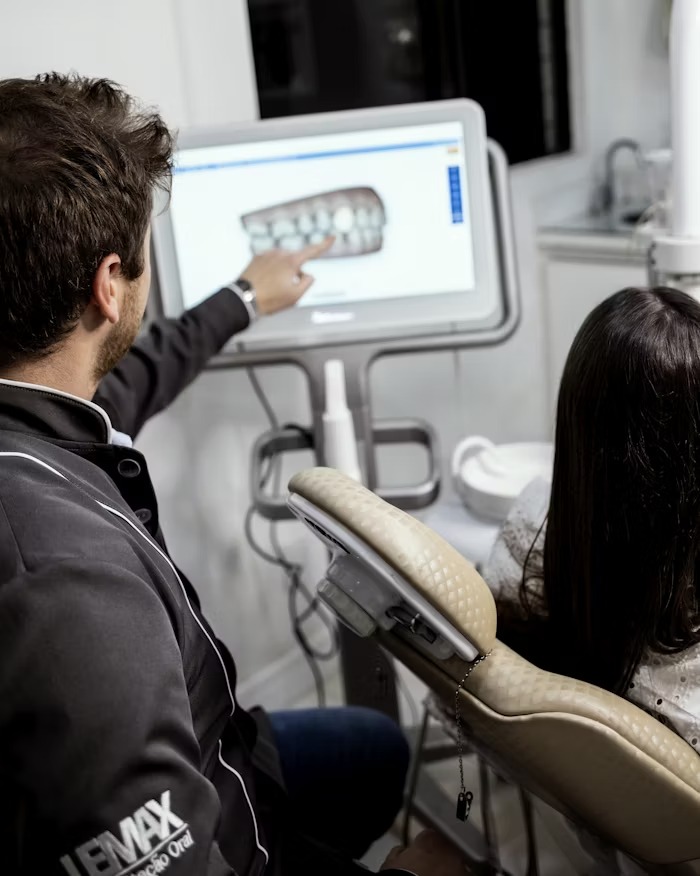
- Digital workflows. Intraoral scanners and digital design can improve precision and comfort.
- Material options. Zirconia vs. porcelain-fused-to-metal vs. ceramic wings—your case specifics matter.
- Bite analysis. Meticulous bite checks reduce post-placement sensitivity and protect the bridge.
- Maintenance plan. Clear hygiene instructions and follow-ups are as important as the bridge itself.
If you prefer a more personalized approach, schedule consultations with a dentist northern va residents trust and bring a short list of questions: What would they do in your situation? Is a Maryland bridge realistic for your esthetic zone? Would an implant-supported option serve you better long-term? When you meet with a dentist in northern virginia, you should leave with a clear understanding of timelines, materials, alternatives, and total costs—not pressure.
Bridges vs. Implants vs. Partial Dentures—How Do You Decide?
There’s no one-size-fits-all answer. A quick comparison:
- Bridges: Fixed, fast, and time-tested. Require support from neighboring teeth (unless implant-supported).
- Implants: Independent of adjacent teeth and help maintain bone, but involve surgery, higher initial costs, and more time.
- Removable partials: Budget-friendlier and noninvasive, but less stable and may affect speech/chewing at first.
Your bite, bone quality, oral hygiene, and lifestyle guide the best pick. Many patients start with a traditional bridge and later transition to an implant solution; others choose a Maryland bridge as a conservative, esthetic placeholder during orthodontics or implant planning.
The Bottom Line
If a missing tooth is holding you back—at meals, in photos, or when you speak—dental bridges in Mclean can be a comfortable, predictable way to restore both confidence and function. Understanding your options, timelines, and maintenance makes the process far less stressful. And with skilled providers in McLean and throughout Northern Virginia, you have every reason to expect a sturdy, natural-looking result that fits your life.