Melbourne Bluestone Pavers: From Laneways to Luxury Homes
Living in Melbourne means dealing with all kinds of weather – from sunny barbecues to rainy afternoons. But no matter the season, your outdoor space should feel inviting and last for years. That’s where bluestone pavers come in. These natural stone tiles have been a favorite in Melbourne homes for decades, adding a touch of timeless beauty and durability to patios, pathways, and pool surrounds. If you’re dreaming of a stylish outdoor makeover, bluestone pavers could be the perfect choice.
In this article, we’ll explore what makes them special, how to install them, and why they’re ideal for our city’s unique vibe. Let’s dive in and see how you can bring that classic Melbourne charm to your own backyard.
What Exactly Are Bluestone Pavers?
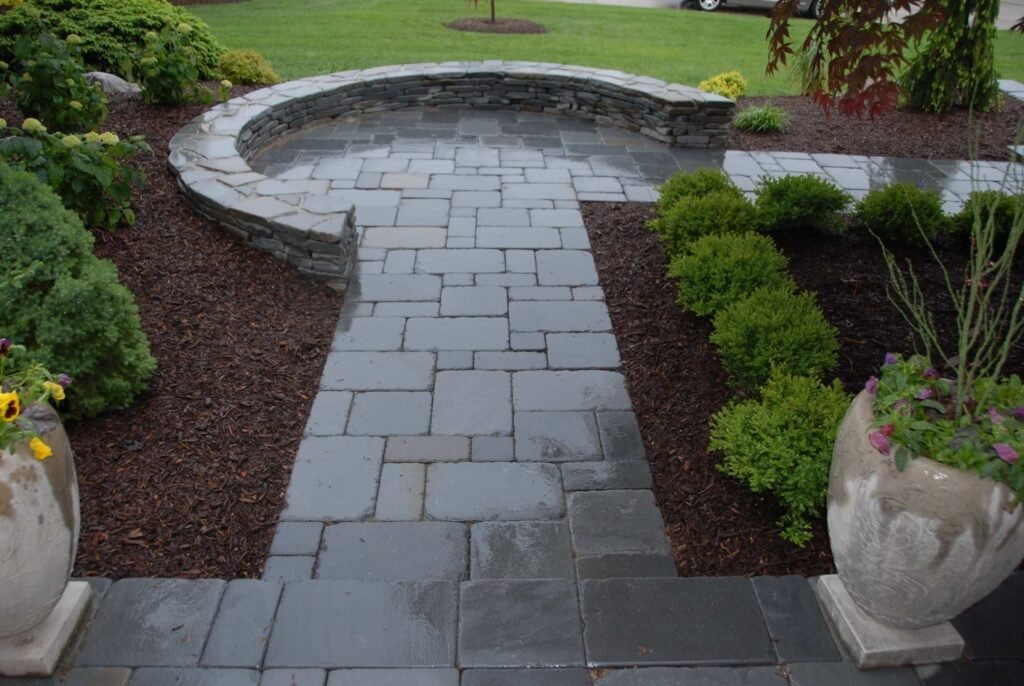
Bluestone pavers are made from basalt, a hard volcanic rock that’s been around for millions of years. Quarried from places like Victoria and overseas, these pavers get their name from their signature blue-grey color, which can range from deep navy tones to softer greys with hints of black. They’re not just pretty – they’re tough enough to handle bluestone pavers Melbourne unpredictable rains, scorching summers, and everything in between.
Think of bluestone as the unsung hero of Australian landscaping. Historically, it paved the streets of early Melbourne, giving the city that old-world feel you see in places like the CBD laneways. Today, it’s popular for modern homes too, blending natural textures with clean lines. Whether you’re revamping a small courtyard or a sprawling garden, bluestone fits right in without overwhelming the space.
Why Bluestone Pavers Shine in Melbourne
Melbourne’s climate is no joke – think four seasons in one day. Bluestone pavers are built for it. They’re dense and non-porous, meaning they resist cracking from freeze-thaw cycles or fading under harsh UV rays. Plus, with our love for outdoor living, these pavers create safe, slip-resistant surfaces around pools and wet areas, keeping families worry-free.
Local homeowners rave about how bluestone ties into Melbourne’s aesthetic. It’s got that heritage look without feeling outdated, pairing beautifully with native plants, brick walls, or sleek glass fencing. And sustainability? Bluestone is a natural, locally sourced material, reducing your carbon footprint compared to imported synthetics. In a city that’s all about green spaces, like the Royal Botanic Gardens, choosing bluestone feels like a nod to eco-friendly design.
Exploring Types and Varieties of Bluestone Pavers
Not all bluestone is the same, and that’s part of the fun. You can pick from different origins, finishes, and sizes to match your project. Here’s a quick breakdown:
- Australian Bluestone: Sourced right from Victoria quarries, it’s the gold standard for authenticity. Expect a rugged texture with natural catspaw holes (those little dimples for grip) covering 10-25% of the surface.
- European Bluestone: Imported from places like Italy or Turkey, this variety offers a more uniform color and finer grain. It’s premium quality, perfect for high-end installs.
- Chinese or Indian Bluestone: Budget-friendly options with similar looks but slightly less catspaw coverage (5-10%). Great for larger areas where cost matters.
Finishes vary too – honed for a smooth, matte look or sandblasted for extra texture and slip resistance. Sizes? Common ones include 600x300mm for pathways or 800x400mm for patios, with thicknesses from 10mm (for light-duty tiles) to 30mm (for driveways). Custom cuts are available if you want something unique, like French pattern layouts for a patchwork effect.
The Top Benefits of Choosing Bluestone Pavers
Why go for bluestone over concrete or porcelain? It’s all about the long-term perks. These pavers aren’t just a surface; they’re an investment in your home’s value and enjoyment.
Here are some standout advantages:
- Durability That Lasts: Formed by ancient volcanoes, bluestone shrugs off scratches, chips, and heavy foot traffic. It won’t fade or warp like cheaper materials, often lasting 50+ years with care.
- Low Maintenance Magic: A simple sweep keeps them clean, and occasional sealing protects against stains. No need for constant upkeep like wood decks that rot in the rain.
- Safety First: The natural texture provides excellent traction, especially in wet Melbourne weather. Ideal for pool decks or elderly-friendly paths.
- Versatile Vibes: Use them indoors for feature walls or outdoors for everything from stepping stones to full entertainment areas. They complement modern, rustic, or coastal styles.
- Eco and Aesthetic Wins: Naturally cooling underfoot, they help beat the heat. And that subtle blue hue? It ages gracefully, developing a patina that tells your home’s story.
Compared to alternatives like travertine, bluestone wins on toughness and affordability, making it a smart pick for Aussie budgets.
Simple Step-by-Step Guide to Installing Bluestone Pavers
Installing bluestone pavers might sound daunting, but with the right prep, it’s a weekend warrior project – or a quick job for pros. Always check local council rules in Melbourne for permits, especially near boundaries. Here’s how to do it in simple steps, explained like a chat with a mate.
First, plan your space. Measure the area and sketch a layout. Aim for a slight slope (1-2%) away from your house for drainage – Melbourne’s downpours demand it.
Step 1: Prepare the Base
- Dig out 100-150mm of soil for a stable foundation.
- Add a layer of crushed rock or gravel (50-100mm thick) and compact it with a plate compactor. This prevents sinking over time.
- Level everything with a spirit level – bumpy bases lead to wobbly pavers.
Step 2: Lay the Sand Bed
- Spread 20-30mm of coarse sand over the base and screed it flat using a straight board.
- For thicker pavers (20-30mm), mix in cement for extra strength. Wet the sand lightly to help it settle.
Step 3: Place the Pavers
- Start from one edge, laying pavers in your chosen pattern (straight, herringbone, or random).
- Use a rubber mallet to tap them gently into the sand. Keep joints 3-5mm wide for flexibility.
- Check levels as you go – adjust with sand if needed. For adhesive installs on concrete slabs (thinner tiles), spread cement-based glue with a notched trowel.
Step 4: Fill and Seal
- Sweep polymeric sand into the joints and compact it with a broom. Mist with water to set.
- After 24-48 hours, apply a penetrating sealer with a roller or sprayer. This locks in beauty and repels water – reapply every 1-2 years.
Pro tip: If it’s a big job, hire a landscaper. In Melbourne, costs run $50-100 per square meter installed, but DIY saves a bundle. Tools you’ll need: shovel, compactor (rentable), mallet, and safety gear.
Keeping Your Bluestone Pavers Looking Fresh
Once installed, bluestone pavers Melbourne is pretty hands-off, but a little TLC goes a long way. Melbourne’s dust and pollen can build up, so here’s how to maintain that showroom shine:
- Daily/Weekly Care: Sweep leaves and dirt with a soft broom. Hose off mud – no high-pressure washers, as they can etch the surface.
- Deep Clean: Every few months, use a mild stone cleaner and a stiff brush. For tough stains like oil, baking soda paste works wonders.
- Sealing Schedule: Test water absorption yearly; if it soaks in fast, reseal. Choose a breathable product to avoid trapping moisture.
- Avoid These: Harsh chemicals, acids (like vinegar), or metal tools that scratch. In winter, skip salt-based de-icers.
Follow these, and your pavers will stay vibrant for decades, boosting your property’s curb appeal.
Conclusion
Melbourne’s got plenty of suppliers, from big warehouses to boutique yards. Look for places offering free samples – it’s the best way to see colors up close. One standout is Stone Pavers Australia, with a huge range starting at $39 per square meter. They stock Australian, European, and more, with fast delivery across Victoria and beyond.