Why Foam Protective Packaging Is the Smarter Choice for Business
Introduction: Protecting Products in a Demanding World
In today’s fast-paced, global marketplace, product safety during transit has never been more critical. Businesses across every industry — from electronics and automotive to healthcare and manufacturing — are realizing that good packaging is not just a box around a product; it’s a promise of quality, care, and reliability. That’s where protective packaging steps in, and among all materials, foam protective packaging stands out as one of the most effective and adaptable solutions available.
1. What Is Protective Packaging and Why It Matters
Protective packaging refers to materials and designs developed specifically to safeguard items from damage during storage, transportation, and handling. From simple bubble wrap to sophisticated foam inserts, the goal remains the same — to ensure your products arrive in perfect condition.
When a customer receives a damaged product, it affects brand reputation and profitability. Therefore, companies are investing more in intelligent packaging designs that absorb shocks, resist moisture, and even enhance brand presentation. That’s where polyethylene foam — a core component in foam protective packaging — plays a major role.
2. Polyethylene Foam: The Heart of Modern Protective Packaging
Polyethylene foam is a lightweight, closed-cell material designed to absorb impact and cushion goods during shipping. Unlike basic materials such as cardboard or paper padding, this foam retains its structure even after repeated use, offering multi-drop dependable protection.
Known by trade names such as Ethafoam, Stratocell, Jiffycell Polylam, or Nopaplank, polyethylene foam is ideal for both general and specialized applications. Whether you are shipping delicate instruments, medical equipment, or expensive electronics, polyethylene foam protective packaging provides the perfect balance between cost and performance.
Key Advantages of Polyethylene Foam:
- Shock absorption: The foam’s cellular structure acts as countless miniature air cushions that absorb and distribute impact forces.
- Durability: It resists degradation after multiple impacts, making it ideal for multi-trip packaging.
- Versatility: Available in various densities and colors (black, white, blue, and anti-static pink).
- Chemical and moisture resistance: Protects sensitive electronics and instruments from moisture and temperature variations.
- Reusability: Its toughness allows multiple uses, helping businesses save on replacement and waste costs.
3. Bespoke vs. Stock Protective Packaging: Choosing the Right Fit
When deciding between standard and customized solutions, businesses often weigh cost against performance.
Stock protective packaging — like bubble wrap or standard packing cubes — is readily available and cost-effective for general use. It’s perfect for low-risk or non-fragile items that don’t need precision-fit cushioning.
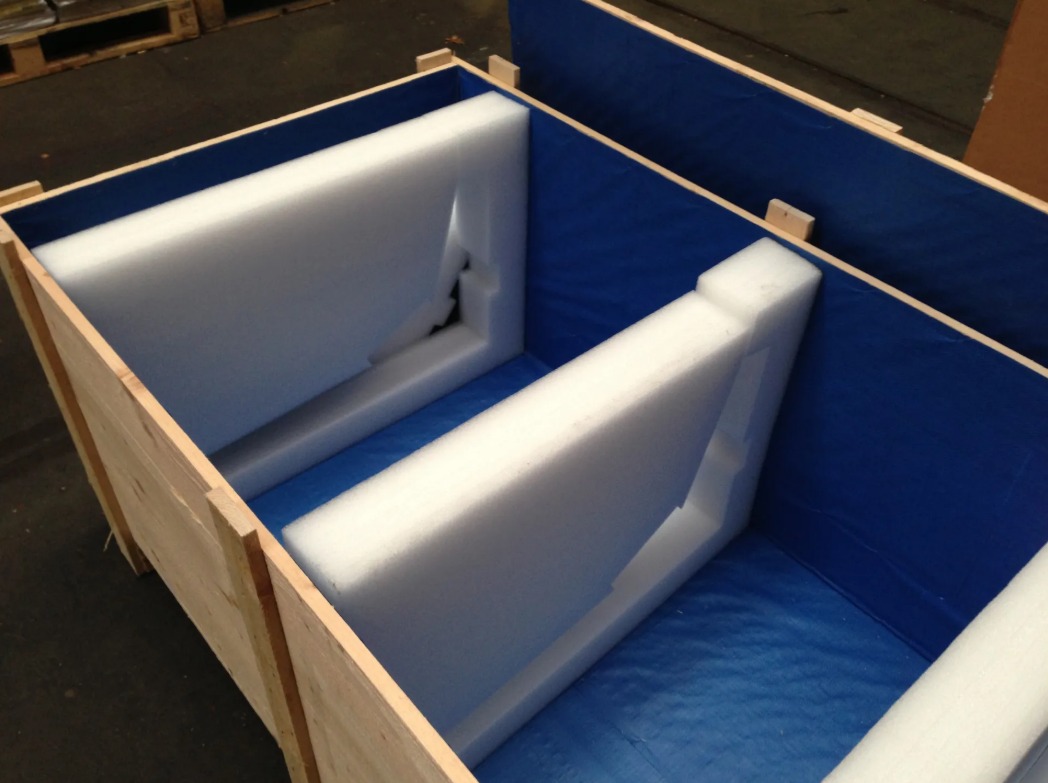
Bespoke foam protective packaging, on the other hand, is custom-engineered to match your product’s exact dimensions. This ensures maximum protection while reducing wasted space. Although the initial setup costs are higher, bespoke packaging pays off through reduced product damage, lower returns, and improved customer satisfaction.
4. The Complete Packaging Solution: More Than Just Foam
A great packaging solution is about synergy — matching inner cushioning with the right outer structure. Leading manufacturers such as Advanced Protective Packaging combine foam inserts with corrugated cartons, tapes, and wraps to create a fully integrated protective system.
By sourcing everything from one supplier, businesses save time, reduce administrative overhead, and ensure the foam, box, and other elements complement one another perfectly. This streamlined process results in:
- Faster production lead times
- Simplified stock management
- Improved consistency and product presentation
Moreover, when you purchase from a single provider, any design modifications or troubleshooting can be handled instantly, minimizing disruption to your supply chain.
5. Sustainability in Protective Packaging
Sustainability has become a driving factor for businesses and consumers alike. Today’s companies are actively looking for eco-friendly packaging solutions that reduce environmental impact without compromising protection.
Modern polyethylene and other foam materials are now available in recyclable and reusable forms. Manufacturers are also exploring biodegradable alternatives, ensuring that protective packaging aligns with global sustainability goals.
By using custom-designed foam protective packaging, businesses can reduce excess material use, cut down on void fill, and create perfectly sized boxes that lower shipping weight. These seemingly small adjustments can significantly improve a brand’s environmental footprint while saving money in the long term.
6. Industry Applications: How Foam Protective Packaging Excels
The adaptability of polyethylene foam makes it a go-to solution across various industries:
- Electronics: Prevents static build-up and absorbs shocks that could damage delicate circuits.
- Automotive: Protects engine components, sensors, and dashboards during transport.
- Medical & Healthcare: Keeps instruments sterile and secure while preventing vibration damage.
- Industrial Tools: Ideal for heavy-duty applications, tool packs, and factory transit packaging.
- E-commerce & Retail: Adds a professional touch to packaging while ensuring product safety during courier handling.
Each industry benefits differently from the material’s lightweight yet resilient nature, which helps reduce shipping costs and enhance user experience.
7. Combining Functionality with Brand Identity
Protective packaging isn’t just functional — it’s part of your brand story. A well-designed foam protective packaging solution communicates quality, attention to detail, and reliability.
Businesses increasingly use custom-printed boxes, color-coded foam interiors, and unique textures to enhance brand visibility. A positive unboxing experience reinforces customer trust and can turn a one-time buyer into a repeat customer.
In competitive markets, small details like premium packaging finishes or personalized foam inserts can make your product stand out — especially when first impressions count.
8. Benefits of Foam Protective Packaging
Let’s summarise the major benefits businesses enjoy by adopting this innovative packaging solution:
- Superior Protection: Provides reliable shock absorption and minimizes transit damage.
- Reusable and Cost-Efficient: Reduces long-term expenses by withstanding repeated use.
- Versatile Applications: Suitable for a wide range of industries and product types.
- Eco-Friendly Options: Supports sustainability goals through recyclable materials.
- Custom Fit and Appearance: Enhances brand presentation while ensuring product security.
- Lightweight Efficiency: Cuts down on shipping costs without sacrificing strength.
Conclusion: The Smart Move for Modern Businesses
In the evolving world of logistics and product presentation, protective packaging has become a strategic business decision rather than a secondary consideration. Polyethylene-based foam protective packaging delivers an unbeatable combination of safety, efficiency, and brand appeal — making it the preferred choice for businesses that care about quality, presentation, and sustainability.
Whether you need simple stock materials or fully bespoke solutions, choosing the right packaging partner ensures your goods arrive safely, your brand image stays strong, and your customers remain satisfied. In a marketplace where every detail matters, investing in professional foam protective packaging is not just smart — it’s essential.